Sustainable Practices in Contract Supplement Manufacturing for a Greener Future
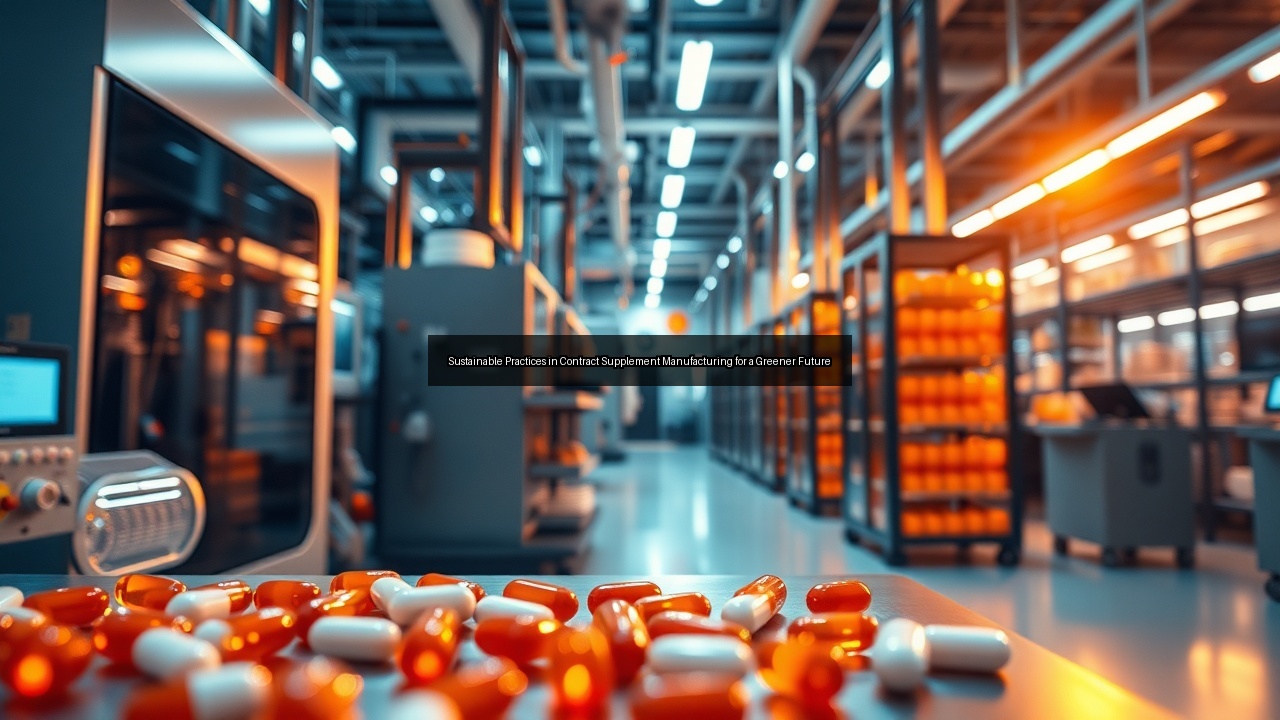
Understanding Sustainable Practices in Contract Supplement Manufacturing
The Importance of Sustainability in the Supplement Industry
Sustainability in the supplement industry has become a focal point for manufacturers who aim to align their production processes with environmentally friendly practices. The world increasingly demands transparency and responsibility from brands. This shift occurs not just for ethical reasons but also due to growing consumer awareness about the environmental impact of their purchases. Contract supplement manufacturers play a vital role in this transformation by adopting sustainable practices that minimize waste, reduce carbon footprints, and promote the use of renewable resources.
Today's consumers are more informed and conscious about their choices, seeking products that reflect their values. They prefer supplements that are not only effective but also produced with minimal environmental impact. Therefore, manufacturers who prioritize sustainability can enhance their brand reputation and attract a broader customer base. By implementing eco-friendly practices, these manufacturers contribute to a greener future, showcasing their commitment to the planet while also meeting the evolving demands of the marketplace.
Key Principles of Sustainable Manufacturing
Several key principles guide sustainable practices in contract supplement manufacturing. First, resource efficiency stands out as a critical factor. Manufacturers should aim to optimize the use of raw materials, energy, and water throughout the production process. This involves minimizing waste, recycling materials whenever possible, and investing in energy-efficient machinery. Reducing the consumption of non-renewable resources not only lowers operational costs but also diminishes the environmental footprint of the manufacturer.
Second, transparency in the supply chain enhances sustainability. Contract supplement manufacturers need to ensure that their suppliers adhere to sustainable practices as well. This holistic approach encourages responsible sourcing, which is essential in obtaining high-quality ingredients that have minimal negative environmental impact. Third, continuous assessment and improvement of manufacturing processes are vital. Regular audits help identify areas for enhancement and eliminate practices that are detrimental to sustainability. Implementing these principles creates a robust framework for manufacturers striving for a greener future.
Innovative Dosage Forms and Their Environmental Impact
Effervescent Tablets: A Sustainable Choice
Effervescent tablets represent a forward-thinking dosage form in the supplement industry, combining convenience with sustainability. Their production typically requires fewer excipients compared to traditional tablets, leading to less waste generation. The solubility and rapid absorption of effervescent tablets mean that fewer active ingredients are needed to achieve the desired effect, making them a cost-effective choice for both manufacturers and consumers.
Moreover, effervescent tablets often come in eco-friendly packaging. Many manufacturers are shifting away from plastic and opting for biodegradable materials that minimize their environmental impact. This shift aligns with consumer preferences for sustainable products. In addition, the production process of effervescent tablets can be optimized for energy efficiency, further enhancing their sustainability profile. By focusing on this innovative dosage form, contract supplement manufacturers can meet demand while actively participating in the global movement toward environmental responsibility.
The Role of ODT (Orally Disintegrating Tablets) in Sustainability
Orally disintegrating tablets (ODTs) represent another innovative dosage form that contributes to sustainable manufacturing practices. ODTs dissolve quickly in the mouth, eliminating the need for water during consumption. This feature not only enhances user convenience but also reduces packaging waste associated with bottled supplements. By minimizing the need for additional materials, manufacturers can significantly lower their carbon footprint.
In terms of production, ODTs often require fewer preservatives and artificial ingredients compared to traditional tablets, aligning with the trend toward cleaner, more natural products. Manufacturers can also utilize sustainable ingredients, such as plant-based binders and natural flavors, which appeal to health-conscious consumers. This focus on sustainability in ODT manufacturing not only meets market demands but also supports environmental stewardship in the supplement industry.
Exploring Sustainable Gel Formulations
Gel formulations are gaining traction in the supplement market, offering a pleasant and effective delivery method. These formulations can be designed to be more sustainable by using plant-derived gelling agents and natural preservatives. Manufacturers can create products that are both effective and environmentally friendly, aligning with consumer desires for clean-label products.
Additionally, gel supplements often come in single-serving packets or eco-friendly containers, reducing the need for excessive packaging. This approach addresses consumer concerns about waste and environmental impact. Contract supplement manufacturers can focus on developing innovative gel formulations that prioritize sustainability while maintaining high quality and efficacy. As the demand for sustainable products continues to rise, gel supplements provide an opportunity for manufacturers to stand out in contract manufacturer a crowded market.
Quality Control and Sustainability in Manufacturing
Implementing Quality Controls in Sustainable Practices
Quality control plays a crucial role in ensuring that sustainable practices effectively translate into high-quality products. Contract supplement manufacturers must implement stringent quality controls throughout the entire production process. This involves regular monitoring of raw materials, production methods, and finished products to ensure that they meet both quality standards and sustainability criteria.
By integrating quality controls into their sustainability initiatives, manufacturers can identify inefficiencies and areas for improvement. For instance, employing regular audits can help pinpoint wasteful processes and identify opportunities for more sustainable practices. Furthermore, establishing a quality management system that includes sustainability metrics can drive continuous improvement and accountability within the organization. Ultimately, rigorous quality controls not only support sustainability but also enhance consumer trust in the brand.
Balancing Quality and Environmental Responsibility
Balancing quality and environmental responsibility proves challenging yet essential for contract supplement manufacturers. While focusing on sustainable practices, manufacturers must not compromise on the quality of their products. High-quality supplements require rigorous testing and validation to ensure effectiveness, safety, and compliance with regulatory standards.
Manufacturers can achieve this contract manufacturers balance by adopting innovative technologies that enhance both quality and sustainability. For example, utilizing advanced analytical techniques can streamline the testing of raw materials and finished products. This approach allows manufacturers to ensure that they meet the highest quality standards while following eco-friendly practices. By fostering a culture that prioritizes both quality and sustainability, contract supplement manufacturers can set new industry benchmarks and lead the way toward a greener future.
Inventory Management Strategies for a Greener Future
Reducing Waste Through Efficient Inventory Practices
Efficient inventory management directly contributes to sustainability in contract supplement manufacturing. Manufacturers can reduce waste by adopting just-in-time inventory practices, which minimize excess stock and limit the potential for spoilage. Accurate demand forecasting can further optimize inventory levels, ensuring that manufacturers produce only what is necessary to meet market demand.
Moreover, implementing technology-driven inventory management systems can enhance visibility and control over stock levels. These systems allow manufacturers to track expiration dates and product performance, reducing the likelihood of waste due to expired products. By streamlining inventory practices, contract supplement manufacturers can significantly reduce their environmental impact while also improving operational efficiency.
Sustainable Sourcing of Raw Materials
Sustainable sourcing of raw materials stands as a cornerstone of environmentally responsible manufacturing. Contract supplement manufacturers need to prioritize the procurement of ingredients from suppliers who adhere to sustainable practices. This includes sourcing organic and non-GMO materials, as well as ensuring that ingredients are harvested in a way that protects ecosystems.
Establishing strong relationships with local and sustainable suppliers can further enhance a manufacturer's sustainability profile. By sourcing ingredients closer to the production facility, manufacturers can reduce transportation emissions and support local economies. Additionally, incorporating life cycle assessments into the sourcing process can help manufacturers understand the environmental impact of their raw materials, guiding better decisions for a sustainable future. Through responsible sourcing, contract supplement manufacturers can significantly contribute to a greener industry while delivering high-quality supplements to consumers.