Choosing Between Plastic and Metal Oil Tanks for Safe Storage Solutions
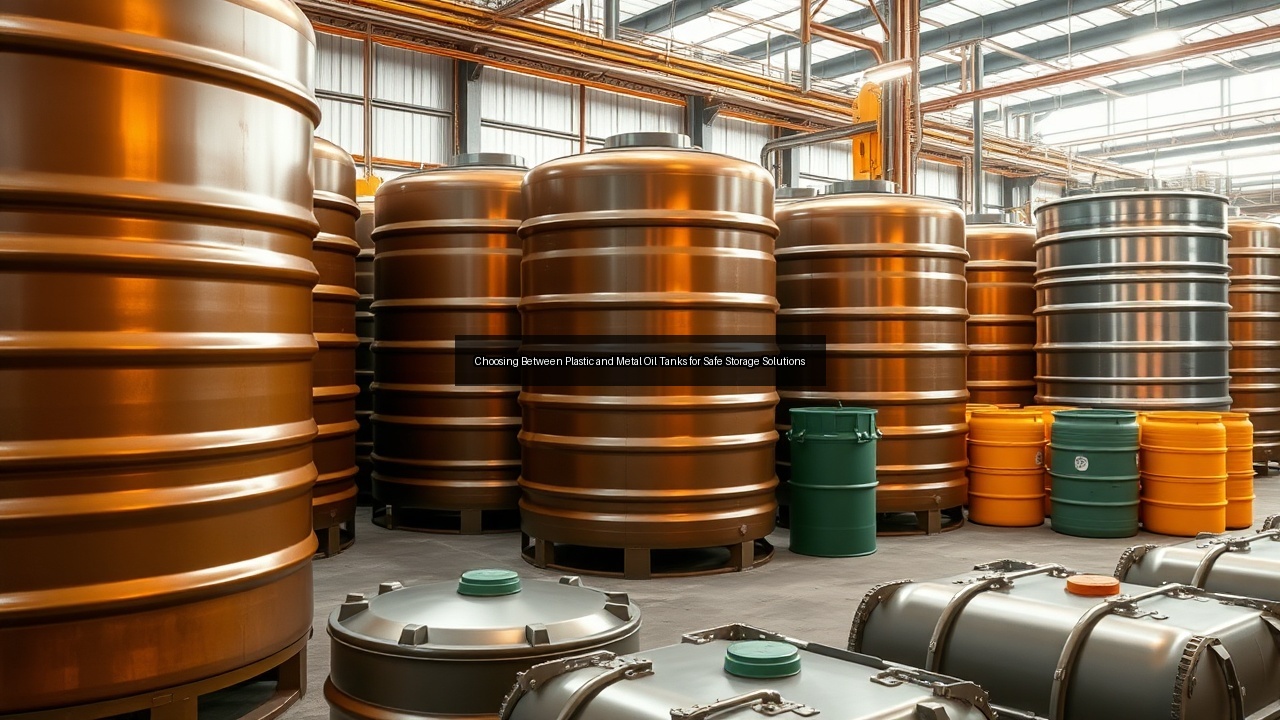
Understanding Oil Storage Containers
What Are Oil Storage Tanks?
Oil storage tanks serve as crucial vessels for safely storing oil and other related fluids. These containers are designed to hold significant volumes of containers for storing oil oil, lubricants, and fuels, ensuring that they remain secure and uncontaminated. Their applications range from residential heating oil tanks to large-scale industrial storage solutions for the oil and gas sector. The design and materials of these tanks directly affect their safety, efficiency, and longevity. Properly selecting an oil storage tank is vital for compliance with regulations and ensuring environmental protection.
Types of Oil Storage Containers
Several types of oil storage containers exist, each tailored to specific needs and contexts. Aboveground storage tanks (ASTs) are popular for residential use and industrial applications alike. They provide easy access and are typically made from durable materials to withstand various weather conditions. Belowground storage tanks (USTs), on the other hand, offer additional protection against environmental hazards and are often used in commercial settings. Additionally, portable plastic containers and drums offer versatility for smaller operations or temporary storage needs. Each type has its own advantages based on use, location, and regulatory requirements.
Key Features of Oil Tanks
When selecting oil storage containers, several key features warrant consideration. First, the tank's capacity plays a crucial role; options range from small containers holding a few gallons to large tanks capable of storing thousands of liters. The material of the tank significantly impacts durability and resistance to corrosion; plastic tanks are lightweight and resistant to many chemicals, while metal tanks offer strength and longevity. Other important features include built-in safety mechanisms, such as overfill protection and leak detection systems, which enhance safety and compliance with regulations. Heating options may also be included for specific applications, ensuring that the oil maintains optimal viscosity.
Comparing Plastic and Metal Oil Tanks
Durability and Longevity
Durability and longevity stand at the forefront when choosing between plastic and metal oil tanks. Metal tanks, typically made from steel or aluminum, offer superior strength and resistance to physical impacts. Their robust nature makes them well-suited for long-term storage, even in harsh environmental conditions. However, metal tanks can be susceptible to rust and corrosion if not properly maintained. In contrast, plastic oil tanks, often constructed from high-density polyethylene (HDPE), provide excellent resistance to corrosion and a longer lifespan in many scenarios. While they may not withstand heavy impacts as well as metal, their lightweight design contributes to easier installation and transportation.
Cost Considerations
Cost plays a vital role in the decision-making process for oil storage solutions. Generally, plastic oil tanks tend to be more affordable upfront than their metal counterparts. The lower initial investment makes plastic an attractive option for smaller operations or residential users. However, long-term costs can vary. Metal tanks, while more expensive initially, often require fewer replacements and repairs over time due to their durability. Additionally, the price of maintenance and insurance can differ significantly between the two materials, influencing the overall cost-effectiveness of the storage solution. Evaluating both initial and long-term costs is essential for making a sound investment.
Weight and Portability
Weight and portability are critical factors to consider, especially for operations requiring frequent relocation of oil storage containers. Plastic oil tanks excel in this area, being substantially lighter than metal tanks. This lightweight nature facilitates easier handling, transportation, and installation, making them ideal for temporary storage scenarios or smaller spaces. Conversely, metal oil tanks are heavier and may require additional support during installation. Their weight can limit mobility, but for permanent installations, this characteristic can enhance stability. Ultimately, the choice depends on specific operational needs and the environment in which the tank will be used.
Environmental Impact
Environmental considerations significantly influence the choice between plastic and metal oil tanks. Plastic tanks have the advantage of being recyclable, reducing their overall environmental footprint when disposed of properly. However, concerns about plastic degradation and potential leaching into the environment persist. Metal tanks, while more durable, can pose risks of corrosion and contamination if not maintained correctly. Adhering to environmental regulations and utilizing tanks designed for minimal ecological impact can help mitigate these risks. Evaluating the environmental implications of both options ensures that the selected oil storage container aligns with sustainable practices and regulatory requirements.
Safety and Compliance in Oil Storage
Regulations for Oil Storage Tanks
Compliance with regulations is paramount when it comes to oil storage tanks. Various local, state, and federal regulations govern the installation, maintenance, and operation of oil storage containers. These regulations aim to prevent leaks, spills, and contamination of soil and water resources. Facilities must adhere to standards set by organizations like the Environmental Protection Agency (EPA) and the oil container Occupational Safety and Health Administration (OSHA). Understanding the specific requirements for oil storage tanks in your area is crucial for avoiding fines and ensuring public safety. Regular inspections and maintenance also help maintain compliance and extend the lifespan of the tank.
Best Practices for Safe Storage
Implementing best practices for safe storage enhances the integrity of oil storage containers and minimizes risks. First, choose the right tank based on the type of oil and the intended storage environment. Ensure that the installation site is well-drained and free from potential hazards. Regular inspections for leaks, corrosion, and structural integrity are essential to identify issues before they escalate. Using secondary containment systems, such as drip trays or bunded areas, can contain spills and leaks, protecting the environment. Training personnel in proper handling and emergency response procedures further bolsters safety measures surrounding oil storage.
Choosing the Right Tank for Your Needs
Selecting the right oil tank involves assessing various factors, including the type of oil being stored, volume requirements, and location. Determine the specific needs of your operation, whether you need a portable solution for lubricants or a permanent installation for heating oil. Evaluate the tank’s material, size, and safety features to ensure they align with your requirements. Consulting with industry experts and reviewing regulations related to oil storage can provide valuable insights. Making an informed decision protects your investment and ensures compliance with safety standards.
Practical Applications and Usage
Using Oil Tanks for Lubricants and Fuels
Oil tanks find extensive applications in storing lubricants and fuels across various industries. Automotive, manufacturing, and construction sectors rely heavily on efficient oil storage to ensure smooth operations. Proper storage of lubricants prevents contamination and degradation, which can lead to equipment failure and increased maintenance costs. For fuels, maintaining correct storage conditions is essential for safety and efficiency. Choosing the appropriate tank size and material based on specific operational needs enhances accessibility and minimizes waste, making the entire oil storage process more efficient.
Gravity Feed Systems and Their Benefits
Gravity feed systems offer significant advantages for oil storage, particularly in applications where maintaining flow rates is essential. These systems utilize gravitational force to dispense oil from the tank, eliminating the need for pumps and reducing energy costs. This method simplifies the transfer process, ensuring a steady supply of oil while minimizing spills and leaks. Additionally, gravity feed systems often require less maintenance compared to pump-based systems, providing further operational efficiency. Implementing a gravity feed system can enhance workflow and reduce the risk of accidents associated with oil dispensing.
Choosing Between Gallons, Liters, and Quarts for Storage
The choice between gallons, liters, and quarts for oil storage depends on user requirements and regional standards. Gallons are commonly used in the United States, while liters are preferred in many other countries. Understanding the unit of measurement that aligns with your operational needs is crucial for effective inventory management. Smaller containers, such as quarts, may be ideal for personal or small-scale use, while larger tanks are necessary for industrial applications. Properly sizing your oil storage solution ensures efficiency and minimizes waste, contributing to a streamlined operation in managing lubricants and fuels.