Creating Personalized Machines for Unique Business Needs
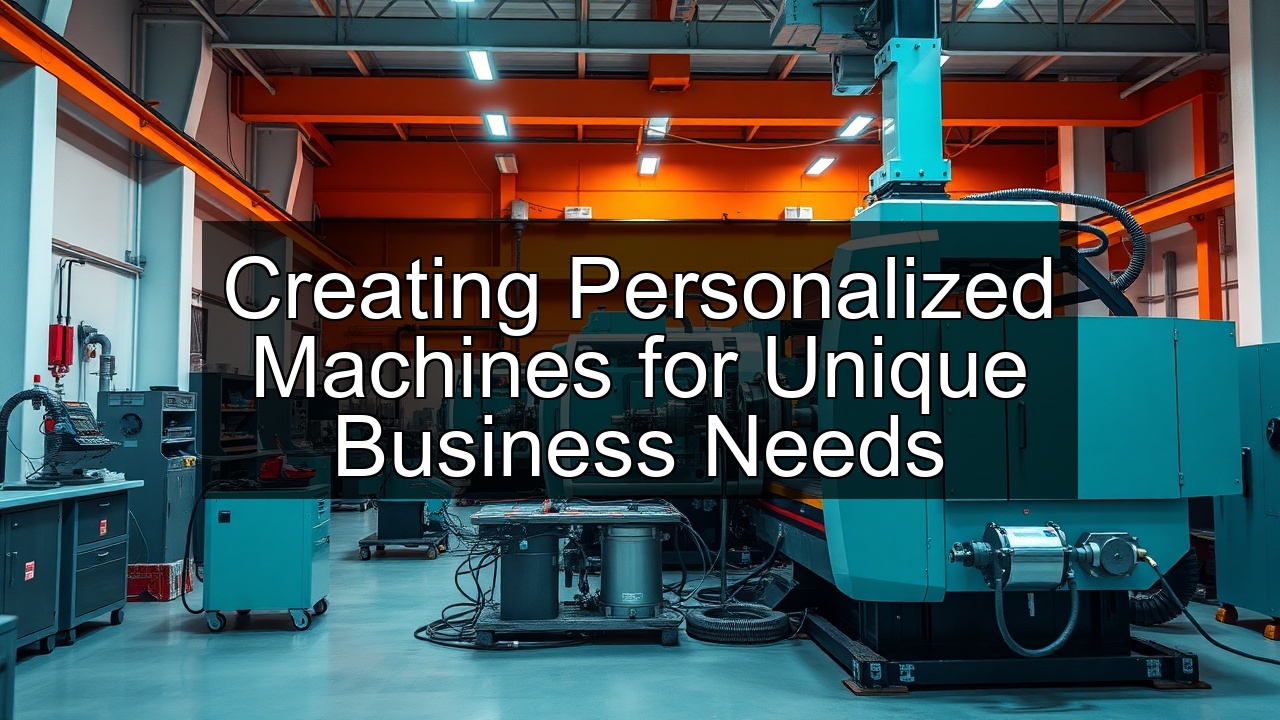
Understanding the Importance of Custom Machine Building
Defining Custom Machine Solutions
Custom machine solutions cater to specific business requirements, providing tailored equipment that enhances operational efficiency. Unlike off-the-shelf machinery, a custom machine builder designs equipment to meet unique specifications, ensuring optimal performance in various applications. These personalized machines can range from simple tools to complex automated systems, builder of machines addressing challenges particular to different industries. custom built machine Manufacturers, medical device producers, and assembly lines benefit from this customization, as it enables them to streamline processes and reduce waste. By investing in custom-built machines, companies gain a competitive edge through improved reliability and productivity.
The Role of Custom Machinery in Productivity
Custom machinery plays a vital role in boosting productivity across diverse sectors. Tailored solutions allow businesses to automate processes that would otherwise be time-consuming and labor-intensive. For instance, a custom equipment builder can create machines that integrate seamlessly with existing workflows, minimizing downtime during production. This integration leads to higher output rates, as machines operate with precision and speed that generic models simply cannot match. In medical device manufacturing, for example, specialized machines enhance the accuracy of production, ensuring compliance with stringent industry regulations while maintaining high production levels. Thus, custom machinery directly correlates with increased productivity and profitability.
Enhancing Efficiency through Tailored Machines
Efficiency is paramount in modern manufacturing, and custom machines significantly enhance this aspect. By customizing machinery to fit specific tasks, companies eliminate unnecessary steps and streamline operations. A personalized machine builder considers factors such as layout, workflow, and production speed, leading to machines that operate at peak efficiency. Incorporating advanced automation technologies into these builds further drives efficiency by minimizing human error and increasing throughput. Ergonomics also plays a crucial role; machines designed with user comfort in mind reduce fatigue, allowing operators to maintain high levels of focus and productivity. The result is an efficient manufacturing environment where tailored machines meet and exceed operational demands.
Key Components of Custom Machine Design
Utilizing CAD Software for Precision Engineering
Computer-Aided Design (CAD) software serves as a cornerstone in the custom machine design process. This engineering tool enables designers to create detailed 2D and 3D models of machinery, allowing for meticulous planning before physical production begins. With CAD software, a custom machine builder can visualize complex mechanisms, test functionality, and identify potential issues in the design phase. This proactive approach reduces costly errors and enhances the reliability of the final product. As industries increasingly embrace automation and advanced technologies, CAD software remains an indispensable resource that streamlines the design process, ensuring that custom machines meet stringent quality standards.
Incorporating Ergonomics in Machine Development
Ergonomics significantly influences the design of custom machinery. A well-designed machine not only performs efficiently but also considers the comfort and safety of its operators. By integrating ergonomic principles into the design, a custom machine manufacturer can create equipment that reduces strain and risk of injury. This focus on ergonomics leads to higher operator satisfaction, reduced absenteeism, and improved efficiency. For instance, adjustable controls and accessible components in a machine shop enhance usability, allowing operators to work comfortably for extended periods. In turn, this results in fewer mistakes and higher quality output, reinforcing the importance of ergonomics in the custom machine development process.
The Impact of Automation Technologies on Custom Builds
Automation technologies have transformed custom machine building, enabling the creation of sophisticated systems that enhance productivity and reliability. A custom machinery builder leverages automation to reduce manual intervention, thereby minimizing human error and increasing consistency in production. Incorporating robotic systems and automated guided vehicles into custom builds allows businesses to optimize workflows significantly. For example, automated processes in assembly lines can operate continuously, leading to higher output rates. Furthermore, embedded systems can monitor machine performance in real-time, providing valuable data for predictive maintenance. As automation technologies evolve, custom machines will continue to play a crucial role in advancing industrial automation.
Project Management in Custom Machine Development
Steps in the Machine Building Process
The machine building process involves several critical steps that ensure successful project completion. First, a thorough assessment of business needs guides the design phase, allowing engineers to draft specifications that align with operational goals. Following this, concept development takes place, where initial designs are created and refined using advanced CAD software. Prototyping is the next significant step, allowing for the testing of concepts before full production. During this phase, adjustments are made based on feedback and performance evaluations. Finally, the assembly and installation of the custom machine occur, followed by rigorous testing to ensure all specifications and quality standards are met. This structured approach in project management minimizes risks and enhances the reliability of the final product.
Managing Resources and Timelines
Effective project management in custom machine development hinges on resource and timeline management. Allocating resources—human, financial, and material—is crucial for keeping projects on track and within budget. A well-planned schedule outlines milestones, ensuring every phase of the machine building process adheres to deadlines. Regular progress checks enable teams to identify and address potential delays proactively. Additionally, collaboration among engineers, designers, and project managers fosters communication and alignment on project goals. By prioritizing resource management, businesses enhance their ability to deliver high-quality custom machines on time, ultimately benefiting their operational efficiency.
The Importance of Reverse Engineering and Innovation
Reverse engineering plays a pivotal role in the custom machine development process. This approach involves analyzing existing machines to understand their design and functionality, providing insights that can inform new builds. A custom machine builder often employs reverse engineering to identify areas for improvement, driving innovation in machine design. By deconstructing successful machines, engineers can glean valuable lessons about efficiency, reliability, and user experience. Furthermore, a culture of innovation encourages the exploration of new technologies and materials, allowing businesses to stay ahead of the competition. In an ever-evolving industry, the combination of reverse engineering and innovation leads to the development of cutting-edge custom machinery that meets the complex demands of modern manufacturing.
Applications and Future Trends in Customized Machinery
Custom Machines in Medical Device Manufacturing
Custom machines find extensive applications in medical device manufacturing, where precision and compliance are paramount. Medical equipment requires stringent custom built machines adherence to regulations and standards to ensure safety and efficacy. A custom machinery builder specializing in this sector designs machines that can produce intricate components with exceptional accuracy. These tailored machines often incorporate advanced automation technologies to streamline processes, enhance reliability, and reduce production costs. For instance, automated assembly lines equipped with robotics can ensure consistent quality in the manufacturing of medical devices. As the demand for innovative medical solutions grows, the role of customized machinery in this field will become increasingly significant.
The Rise of Automated Guided Vehicles and Robotics
The surge in automated guided vehicles (AGVs) and robotics marks a significant trend in customized machinery. Businesses increasingly adopt these technologies to enhance logistics and operational efficiency. Custom-built AGVs streamline material handling by autonomously transporting goods within manufacturing facilities, reducing reliance on manual labor. Similarly, robotic systems tailored for specific tasks can take on repetitive functions, allowing human workers to focus on more complex duties. This shift towards automation not only boosts productivity but also improves safety by minimizing human error. As industries continue to embrace these advancements, the integration of AGVs and robotics in custom machinery will redefine operational standards across various sectors.
Exploring Turnkey Solutions for Diverse Industries
Turnkey solutions represent a growing trend in the realm of customized machinery. These solutions provide businesses with fully functional systems that require minimal setup and integration. Custom machine manufacturers increasingly offer turnkey options, allowing companies to streamline their operations without the burden of extensive customization. This approach simplifies the procurement process, as businesses can obtain complete systems tailored to their needs without managing multiple vendors. Industries such as manufacturing, packaging, and logistics benefit from these comprehensive solutions, as they facilitate rapid deployment and operational efficiency. As the market evolves, the demand for turnkey solutions will likely continue to rise, driving innovation in custom machine design and development.